Red Flag Tree Species That Cost Vancouver Homeowners: Expert Insights from an Arborist Vancouver
Vancouver, Canada - September 30, 2025 / Aesthetic Tree & Hedge Services Vancouver /
When it comes to landscaping in Vancouver, choosing the right trees for your property is more than an aesthetic decision—it’s a crucial investment in home safety, property value, and long-term maintenance costs.
Unfortunately, many homeowners unknowingly select tree species with "red flag" characteristics that lead to costly damage and expensive removals later. As a professional arborist serving Vancouver, understanding these risk factors is essential to protect your home and preserve the urban canopy.
This article delved into the most critical red flag tree species and costly mistakes homeowners make when selecting trees, backed by industry expertise, technical insights, and localized data from Vancouver’s unique environment. You will learn why some popular species are ill-suited for residential landscapes, the hidden costs involved, and how professional arborist guidance can prevent expensive problems.
Understanding Red Flag Tree Species in Vancouver
A "red flag" tree species refers to trees with structural, biological, or ecological traits that increase the risk of failure, damage, or decline in urban settings. These traits can manifest as invasive root systems, weak wood, susceptibility to pests and diseases, or rapid growth that outpaces the tree’s structural integrity.
According to a detailed analysis by Aesthetic Tree arborist Vancouver tree species red flags, many common species chosen by homeowners exhibit these warning signs, but the consequences are often unrecognized until significant damage has occurred.
Why Tree Choice Matters More Than You Think in Vancouver
The Pacific Northwest's mild, wet climate and urban development patterns create a unique set of risks. Vancouver homeowners may face expensive tree-related damages, including:
Foundation upheaval and sidewalk damage from aggressive root systems.
Roof damage and gutter clogging from excessive leaf and twig drop.
Power outages and hazard risks from weak branch unions or brittle wood.
Decline in tree health leading to premature removal and costly replanting.
Data from the City of Vancouver’s Urban Forestry reports indicate that improperly selected or maintained trees contribute to millions of dollars in property damage and municipal tree removals annually. This reality highlights the value of an experienced arborist’s consultation before planting.
Most Common Red Flag Tree Species in Vancouver and Why
Below, we explore several tree species frequently planted in Vancouver with characteristics that make them red flags for homeowners, based on structural, biological, and environmental risk factors:
1. Manitoba Maple (Acer negundo)
Technically a "box elder," this fast-growing maple is notorious for weak wood and brittle branches prone to breakage in storms. It develops invasive shallow roots that can disrupt sidewalks and foundations. Manitoba maples are susceptible to numerous pests and diseases, ultimately shortening their lifespan to less than 30 years in urban settings.
The aggressive root system is especially problematic for Vancouver’s clay soils, where root expansion can lead to costly infrastructure repairs. Choosing this species is one of the most frequent costly mistakes homeowners make, often requiring removal within a decade.
2. Poplar Species (Populus spp.)
Poplars are prized for rapid shade but come with significant drawbacks. They grow weak wood with poor branch attachment, prone to failure during wind events common in Vancouver's coastal climate. Their roots are shallow, aggressive, and interfere with drainage systems.
Poplar trees have relatively short lifespans (40-60 years) and their falling branches create persistent hazards and maintenance costs. Many Vancouver arborists advise against residential poplar planting for these reasons.
3. Willow Trees (Salix spp.)
Species like the weeping willow provide dramatic visual appeal but have notoriously invasive root systems that aggressively seek water sources, often invading sewer lines and underground infrastructure. Willows’ wood is brittle, and the canopy is dense with heavy, pendulous branches that break easily.
Willow trees’ maintenance demands and infrastructure risks have been repeatedly flagged by local arborists as red flags for residential planting in Vancouver’s urban zones.
4. Black Locust (Robinia pseudoacacia)
Though valued for their rapid growth and nitrogen-fixing ability, black locusts produce very hard but brittle wood prone to splitting and branch shedding. Their thorns pose safety risks, and their roots can disrupt nearby pavements.
In Vancouver, some black locust populations have spread aggressively, sometimes outcompeting native tree species and creating additional ecological concerns.
The Cost to Homeowners of Red Flag Trees in Vancouver
The decision to plant these red flag species can lead to significant financial losses. Among the hidden and direct costs are:
Foundation and Sidewalk Damage: Vancouver homeowners can expect repair costs ranging from CAD 5,000 to CAD 25,000 due to root-induced structural shifting.
Tree Removal and Stump Grinding: Removing mature problematic species often costs between CAD 1,000 to CAD 3,000, with stump grinding adding several hundred dollars.
Roof and Property Damage Repairs: Falling branches from weak wood species can cause damages exceeding CAD 10,000 during storm seasons.
Insurance Premium Increases: Home insurance claims related to tree damage have caused premium hikes for many Vancouver residence owners.
Loss of Property Value: Poorly selected trees can negatively affect curb appeal and market valuations, with studies showing landscaping issues can reduce property values by up to 15%.
With Vancouver reporting increased storm events and urban expansion in recent years, the presence of unsuitable tree species compounds the risk of costly homeowner damages.
How a Professional Arborist Can Help Vancouver Homeowners Avoid These Mistakes
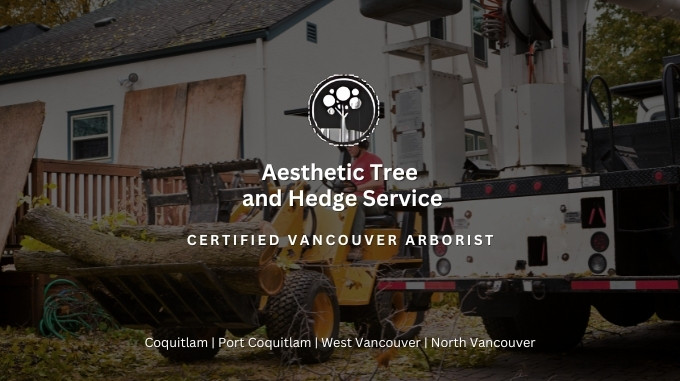
Engaging a professional arborist with specific expertise in the Vancouver region is the most effective way to avoid costly tree-related issues. Arborists can provide:
Site-specific Tree Selection Advice: Considering soil type, spacing, and proximity to structures to recommend species with compatible root and growth habits.
Risk Assessment and Monitoring: Identify structural defects, pest infestations, and disease symptoms before they escalate into emergencies.
Proper Pruning and Maintenance Plans: Strengthen trees and reduce hazards linked to red flag species' weak branches or poor architecture.
Tree Replacement and Planting Services: Help homeowners replace existing risky species with more stable alternatives better suited for Vancouver’s environment.
The expertise of a certified arborist is backed by scientific risk assessments and knowledge of local urban forestry data.
The True Cost of Tree Removal in Vancouver: What Homeowners Need to Know
Understanding the financial implications of dealing with red flag tree species extends beyond identifying problematic trees—it includes the potential removal and maintenance costs homeowners face in Vancouver. Tree removal, often necessitated by unsafe or declining red flag species, is a significant expense that can catch homeowners off guard.
In 2025, the average cost for tree removal in North American urban areas ranges roughly from CAD 750 to CAD 1,200 per tree, depending on size, accessibility, and risk factors involved. Small trees under 30 feet typically cost between CAD 300 to CAD 700, while large or hazardous trees can exceed CAD 2,000, particularly when crane work or permits are required (National Arborists Data Index 2025).
Vancouver homeowners should also factor in local regulations that require tree removal permits, which can add fees starting at CAD 108 for the first tree and CAD 310 for additional trees within the same year. These permits ensure compliance with municipal bylaws designed to protect the urban forest and often require a professional arborist’s report as part of the application process (City of Vancouver Tree Removal Bylaw 2025).
Additionally, stump grinding or removal incurs separate charges, generally ranging from CAD 75 to over CAD 1,000 depending on stump size and location. Many homeowners underestimate the scope and cumulative cost of these services when dealing with invasive or structurally weak tree species.
Realistic budgeting for tree removal and maintenance by consulting a certified arborist in Vancouver not only mitigates hidden costs but also helps in planning proactive tree care to avoid emergent issues. This financial insight complements the critical choice of avoiding red flag species initially, underscoring why expert arborist advice is a sound investment for property owners.
Investing in Expert Arborist Vancouver Services to Protect Your Home
Choosing the right trees is a vital but complex decision for Vancouver homeowners. Red flag species like Manitoba maple, poplars, willows, and black locusts carry inherent structural and ecological risks that translate into significant maintenance costs, property damage, and safety hazards.
Professional arborist expertise grounded in localized data and experience offers the best pathway to avoid these costly mistakes. Vancouver residents who prioritize certified arborist consultations for tree selection, care, and risk assessment are better positioned to maintain healthy, safe, and beautiful landscapes that enhance property values and community wellbeing.
For those seeking reliable, expert arborist services and guidance on safe tree species choices in Vancouver, resources from trusted Vancouver arborist like Aesthetic Tree provide invaluable knowledge to make informed decisions today.
Reach out to them today for a quote.
Frequently Asked Questions
What qualifications should I look for when hiring an arborist in Vancouver?
Look for an ISA-certified arborist who is knowledgeable about Vancouver’s specific climate and local tree species. Certification ensures professional training in tree care, safety, and municipal regulations.Can an arborist help with tree permits and municipal regulations in Vancouver?
Yes, a professional arborist can guide homeowners through the complex permit process required for tree removal or significant trimming under City of Vancouver bylaws, ensuring compliance and avoiding fines.How often should I have my trees inspected by an arborist in Vancouver?
It is recommended to have tree health and safety inspections annually or after any significant storm event to detect problems early and prevent costly damage.Does Aesthetic Tree provide emergency tree removal services in Vancouver?
Yes, Aesthetic Tree offers prompt and professional emergency tree removal and storm damage cleanup services anywhere in Vancouver with certified arborists and specialized equipment for safe removal.Can planting the wrong tree species affect my home insurance in Vancouver?
In some cases, frequent claims due to tree-related damage from unsuitable species can impact home insurance premiums. Consulting an arborist when selecting trees helps mitigate this risk.
People Also Ask
What are the signs a tree needs to be removed?
Signs include large dead branches, significant leaning, root damage near foundations, and fungal growth at the tree base. A certified arborist can provide a risk assessment for removal needs.Are there tree species that are better suited for Vancouver's urban environment?
Yes, species like Pacific dogwood, Western red cedar, and Bigleaf maple are more stable, less invasive, and better adapted to Vancouver’s climate, making them safer choices for residential planting.How does pruning help extend a tree's lifespan?
Proper pruning removes dead or diseased branches, improves structural integrity, and enhances air circulation, which reduces pest and disease risks, contributing to longer tree life.Is it necessary to water new trees in Vancouver through the dry summer months?
New trees typically need regular watering during Vancouver’s summer drought to establish healthy roots and reduce stress, especially within the first 2-3 years after planting.Can arborists help with pest and disease management for trees?
Absolutely. Certified arborists can diagnose and treat many common pests and diseases, applying integrated pest management techniques that protect tree health and reduce chemical use.
Contact Information:
Aesthetic Tree & Hedge Services Vancouver
273 Renfrew St, Vancouver, BC V5K 4A7, Canada
Vancouver, BC V5K 4A7
Canada
Biton Yaniv
http://www.aesthetictree.ca/


