Indigenous Lawyer Files Divisional Court Challenge Over Police Database Abuse Investigation
Canada NewsWire
TORONTO, Feb. 9, 2026
TORONTO, Feb. 9, 2026 /CNW/ - A Factum filed on January 12, 2026, before Ontario's Divisional Court (File No. DC-24-00002214-00JR) challenges the adequacy of a police investigation into allegations that Sault Ste. Marie Police Service officers repeatedly and unlawfully accessed the personal data of Naomi Sayers, an Anishinaabe defence lawyer called to both the Ontario and Alberta bars.
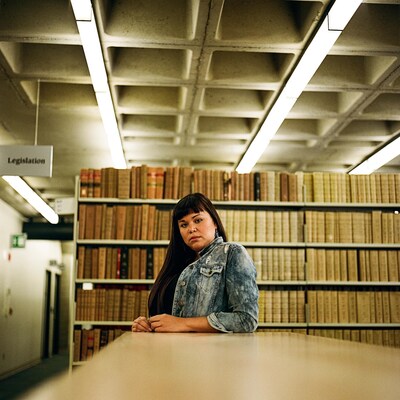
Sayers is represented by EVERLEX Legal Professional Corporation.
Sayers has alleged since at least 2023 that officers accessed her personal data without a lawful purpose, monitored her movements, and shared her information across police services.
The consequences have been devastating: Sayers was forced to leave her home community. Her car was stolen under suspicious circumstances. Then male officers would call as early as 6:00 am and show up late in the evening. Sayers alleges the police in Sault Ste. Marie and Toronto have continued to harass her systematically and in inappropriate ways.
Sayers' complaints were assigned to the Toronto Police for investigation. The Factum argues the investigation was compromised. Specifically:
Audit periods were artificially narrowed.
The hearsay of a now-deceased officer was accepted uncritically.
And the oversight body aligned itself with the police position that she was a frivolous complainant.
In addition, one government lawyer assigned to oppose her case made personal overtures toward her before withdrawing from the case.
In Sayers' case, there is a repeating pattern — it is alleged confidential database access was weaponized outside lawful authority — but directed not at a criminal enterprise, but at an Indigenous woman.
"The National Inquiry into Missing and Murdered Indigenous Women and Girls documented how policing failures endanger Indigenous women," said Sayers.
"My case is a direct example of what was warned about. When police can access your most private information at will and face no real consequences, no Indigenous woman is safe."
Dr. Michael F. Motala, a lawyer, law professor, and LGBTIQ2S activist, observed: "The pattern is one where confidential systems built for public safety become tools of control and intimidation."
"Until and unless oversight is genuinely independent, impartial, equitable, and fair, these abuses will fall on everyone, and hardest on those already most marginalized."
There are concerns about improper police database access, with penalties including, but not limited to, docked pay and criminal charges. Advocates say the current patchwork of oversight bodies lacks the independence to address a systemic problem.
Sayers and her supporters call on the appropriate governments to establish a fully independent investigative agency to probe police database abuse province-wide.
"No police service should investigate itself when implicated in the same structural failures," says Motala.
"Public trust requires nothing less—a comprehensive national inquiry, at the very least."
SOURCE EVERLEX LPC

